2026-08-11 · Thomas Reed
Common Water Heater Problems During Charlotte Winters
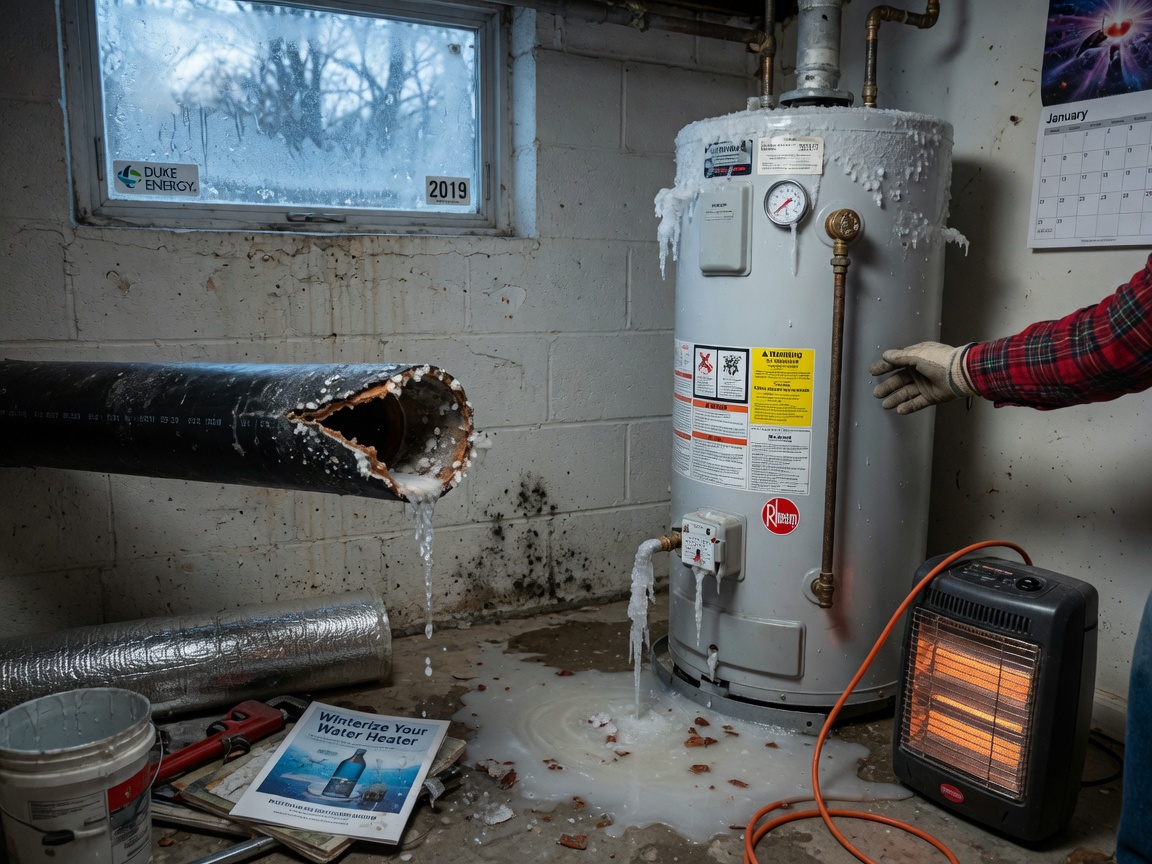
Charlotte winters bring mild temperatures overall but include sudden drops that push water heaters harder than expected. Homeowners commonly encounter sediment accumulation that reduces efficiency, pilot light failures on gas models, and early signs of corrosion from years of use in Mecklenburg County water. These issues surface most when overnight lows dip and daily hot water demand rises across neighborhoods from Uptown Charlotte to Ballantyne.
Sediment Buildup During Temperature Swings
Mild winters in Charlotte still allow mineral deposits to settle in tanks because the ground water stays relatively warm most of the year. When a cold front arrives, the heater works longer to maintain temperature and stirs up sediment that has collected at the bottom. This creates rumbling noises, uneven hot water, and higher energy use. Many 40-gallon and 50-gallon units in homes built before 2010 show visible flakes when drained. Flushing the tank removes the layer before it hardens into scale that blocks the dip tube or burner. How To Flush Sediment From A Water Heater Tank outlines the exact steps that match the water chemistry found in this region.
Pilot Light and Ignition Failures in Gas Units
Gas water heaters in Charlotte often lose their pilot light or fail to ignite during the first real cold spell of the season. Temperature changes cause expansion and contraction around the thermocouple, and dust stirred by heating systems settles on the burner assembly. Homeowners notice the pilot goes out repeatedly or the igniter clicks without lighting. These symptoms appear more frequently in units older than 8 years. Checking the thermocouple connection and cleaning the burner orifice restores function in many cases, though persistent failures point to a worn gas valve. Gas Water Heater Repair addresses these exact ignition problems common in local homes.
Corrosion and Leak Risks After Repeated Cycles
Even without deep freezes, the humid subtropical climate creates condensation on tank exteriors that accelerates rust at seams and around fittings. Over 10–12 years the anode rod depletes, allowing the steel tank to corrode from the inside. Leaks often start small near the top or bottom connections and become noticeable only after a cold snap increases internal pressure. In neighborhoods such as Plaza Midwood and NoDa, older homes with original tanks show these leaks first during winter. Replacing the anode rod every 3–5 years extends service life, but once leaks appear the unit usually needs replacement rather than repair.
Deciding Between Repair and Replacement
When a water heater reaches 10 years, winter problems often signal the end of reliable service rather than isolated issues. Repair costs for sediment removal or pilot fixes typically range from $150–$400, while a full replacement runs $1,200–$2,800 depending on capacity and fuel type. Factors such as the age of the existing unit, frequency of prior service, and whether it is gas or electric help determine the better choice. What Influences Water Heater Repair Costs In Charlotte breaks down these variables with current local pricing. For homes considering an upgrade, Water Heater Installation provides options that handle Charlotte's variable winter loads more efficiently.